






When was the last time your workout involved flying through the air, bouncing on a trampoline, or pedaling underwater? While these activities might sound more like childhood adventures than exercise, they’re all part of real fitness programs. Some of the most unique fitness classes you haven’t tried yet combine unexpected equipment with creative movements that challenge your body in new ways.
If you’re ready to make exercise feel a little less predictable, these seven workouts are worth exploring.
Take Flight With Aerial Yoga
Aerial yoga combines traditional yoga poses with movements performed using a fabric hammock suspended from the ceiling. The hammock supports part of your body weight, making certain stretches and inverted positions more accessible. Some movements require considerable upper-body and core strength, while others focus on relaxation and flexibility.
Unlike traditional yoga, aerial classes let you experiment with positions that might feel difficult on a floor mat. Instructors typically introduce basic poses before progressing to more challenging movements.
You don’t need previous experience, although beginners should look for introductory sessions led by qualified instructors.
Who Should Avoid Inverted Poses?
Hanging upside down isn’t suitable for everyone, particularly people with certain medical conditions. For example, individuals with glaucoma, uncontrolled high blood pressure, or cardiovascular concerns should consult a healthcare professional before attempting inverted poses. Pregnant participants should also check with their healthcare provider before attending an aerial yoga class. Many instructors offer upright alternatives that don’t require full inversions.
Bounce Into Trampoline Fitness
If you enjoyed jumping on trampolines as a kid, this workout might bring back some familiar excitement. Of all the unique fitness classes you haven’t tried yet, trampoline fitness might be one of the most playful. These classes use individual mini trampolines, often called rebounders, for cardiovascular and strength exercises that challenge your coordination and balance.
Some exercises you might encounter during a trampoline fitness class include:
- Basic bouncing: Perform small, controlled jumps while keeping your feet close to the trampoline surface.
- High knees: Alternate lifting your knees toward your chest while maintaining a steady bouncing rhythm.
- Jumping jacks: Move your arms and legs outward and inward with controlled jumps.
- Jogging in place: Alternate your feet rapidly while maintaining an upright posture.
- Squat movements: Bend your knees and lower your hips while maintaining balance on the rebounder.
Try Underwater Cycling Classes
Underwater cycling takes stationary biking into a swimming pool, where specialized exercise bikes sit partially submerged. As you pedal, the surrounding water creates resistance that makes your leg muscles work harder. Meanwhile, the water supports some of your body weight, making this workout particularly appealing to people who prefer lower-impact exercise.
Depending on the intensity of your workout, you can experience several benefits:
- The buoyancy of water supports part of your body weight, reducing stress on your joints.
- Pedaling through water creates natural resistance that makes your muscles work harder.
- Maintaining a steady cycling pace improves cardiovascular endurance by challenging your heart and lungs.
- Your legs engage multiple muscle groups as they push against the resistance of the water.
- Depending on the pool’s temperature, exercising in water can keep you cooler than cycling in a typical indoor studio.
Dance Your Way Through Cardio
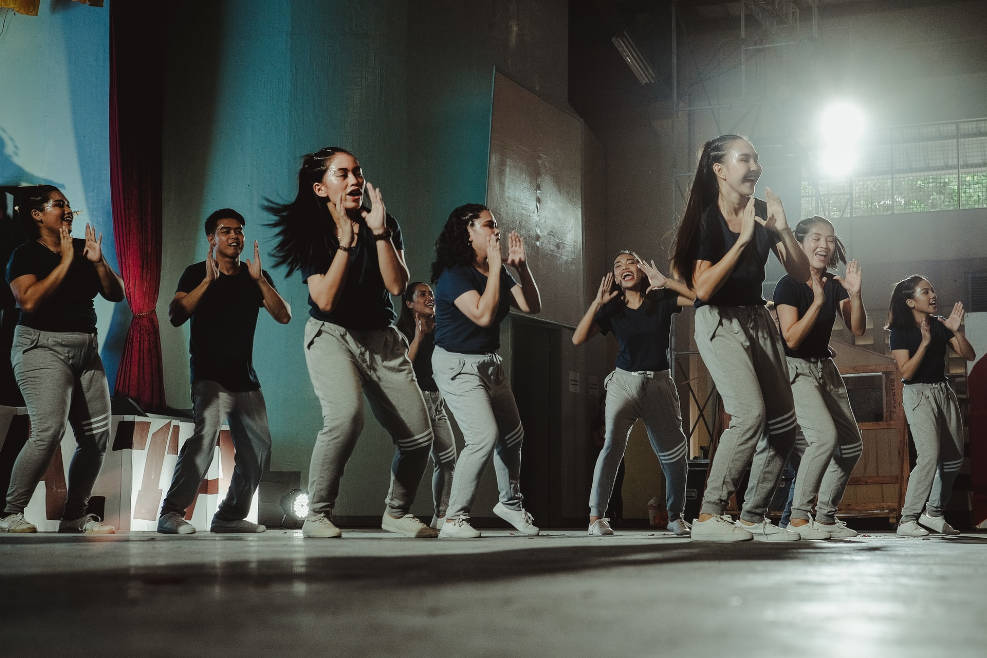
Dance fitness classes turn exercise into a lively experience by pairing energetic music with choreographed movements. Depending on the format, you might practice quick footwork or learn routines that keep your entire body moving. Many studios also offer beginner-friendly sessions, so you don’t need previous dance experience to participate.
Along with improving cardiovascular endurance, these workouts challenge your coordination and rhythm. If you’re searching for fun alternatives to traditional cardio, experimenting with different dance formats is a great place to start. You can also adjust the intensity by slowing down your movements or choosing lower-impact variations.
Build Strength With Pole Fitness
Pole fitness combines dance-inspired movements with bodyweight exercises performed around a vertical pole. You’ll gradually learn techniques for climbing, spinning, and holding positions that challenge your strength and coordination. Although advanced routines can look intimidating, beginner classes generally start with simple grips and controlled movements.
As your confidence grows, instructors may introduce more demanding combinations that require greater physical control. Progress takes consistent practice, so don’t rush into complicated tricks. Over time, you’ll develop a better understanding of how to position and move your body around the equipment.

Defy Gravity With Bungee Fitness
Ever wondered what it would feel like to exercise while suspended in midair? Bungee fitness uses an overhead suspension system connected to a specially fitted harness around your hips and waist.
Elastic cords provide support and resistance, letting you perform assisted jumps and other dynamic movements that feel very different on solid ground.
Beyond the novelty of bouncing through the air, these workouts challenge your balance and require you to control your movements against the cords’ pull. Instructors adjust the equipment to provide appropriate support for each participant, so proper harness fitting is essential to the experience.
As gyms enhance group training programs, specialty formats like bungee fitness offer an exciting way to combine physical challenges with an engaging group atmosphere.
Challenge Yourself With Animal Flow
Animal Flow is a ground-based fitness system inspired by animal movements and bodyweight training techniques. Instead of relying on machines or weights, you’ll use your hands and feet to support yourself as you move through different positions. These exercises challenge your mobility and balance while building muscular endurance.
What makes Animal Flow particularly interesting is how individual movements connect to form continuous sequences. Instead of focusing on one muscle group at a time, you’ll practice coordinating several parts of your body at once.
Beginners can start with slower movements before progressing to more demanding combinations as their strength and mobility improve.

Sometimes, trying something unfamiliar is exactly what you need to get excited about exercising again. You might discover that bouncing on a trampoline is more enjoyable than running or that aerial yoga challenges your body in unexpected ways.
Whatever catches your interest, start with a beginner-friendly class and give yourself time to learn without worrying about getting every movement right. Your next favorite workout could be an activity you’ve never considered before.
You May Also Like: