





Building real strength means training the body as one system. Your legs, core, back, chest, shoulders, and grip all work together when you lift groceries, climb stairs, play sports, or push through a tough workout. That is why full-body exercise makes so much sense for people who want practical fitness, not just isolated muscle work.
The best routines challenge multiple muscle groups at once, improve coordination, and help you move with more control. Below are a few workouts to consider if you want to develop full-body strength.
Squat-To-Press Training
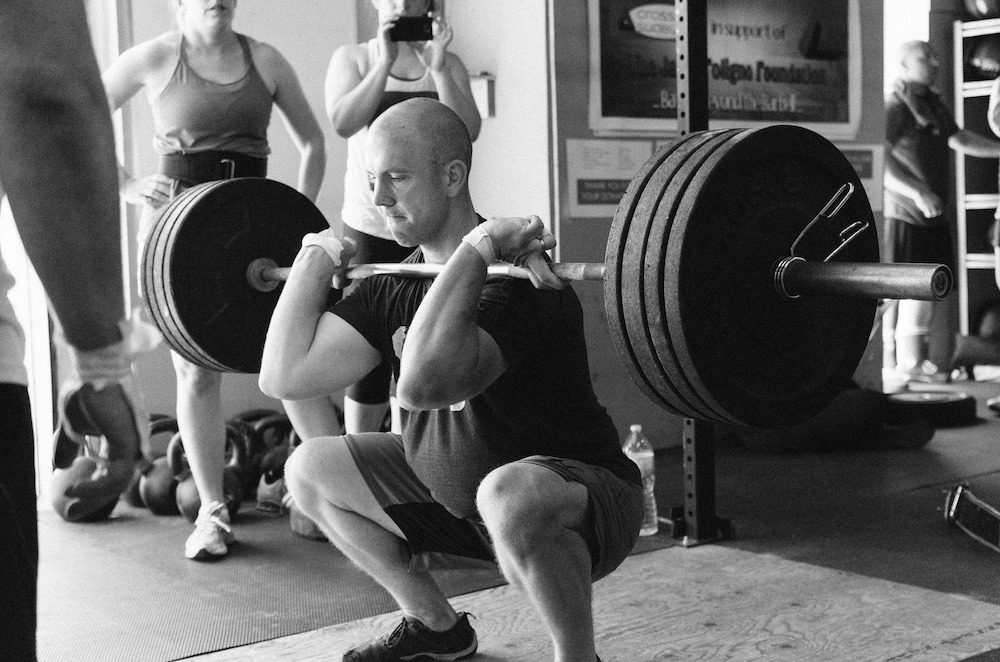
The squat-to-press, also called a thruster, combines lower-body strength with upper-body power. You squat while holding dumbbells, kettlebells, or a barbell at shoulder height, then drive upward and press the weight overhead. This move trains your quads, glutes, hamstrings, shoulders, triceps, and core in one smooth pattern. It also teaches your body to transfer force from the ground up, which matters for athletic movement and daily strength.
Start light and keep your chest tall. Push through your heels, brace your midsection, and press only after you stand with control.
Deadlift and Carry Work
Deadlifts build serious posterior-chain strength through the glutes, hamstrings, back, and core. Pairing them with loaded carries adds grip strength, posture control, and conditioning. A simple session might include deadlifts followed by farmer’s carries with dumbbells or kettlebells. The deadlift builds force, while the carry teaches you to stabilize that force while moving.
Keep your spine neutral, pull your shoulders back, and avoid rushing through each rep. For carries, walk tall and controlled, as if balancing a glass of water on your head.
Sled Pushes and Pulls
Sled pushes and pulls are also workouts that develop full-body strength. One of the best reasons to use a weight sled for workouts is that it challenges more than your legs; it braces your core, organizes your upper body, and forces your lower half to consistently produce force.
It also scales well. Lighter loads can support speed and conditioning, while heavier loads build leg drive and total-body force. Sled pushes suit many fitness levels because they remove the lowering phase found in many lifts. That can make them useful for tough training days when you still want intensity without complicated movement patterns.
Push-Up and Row Supersets
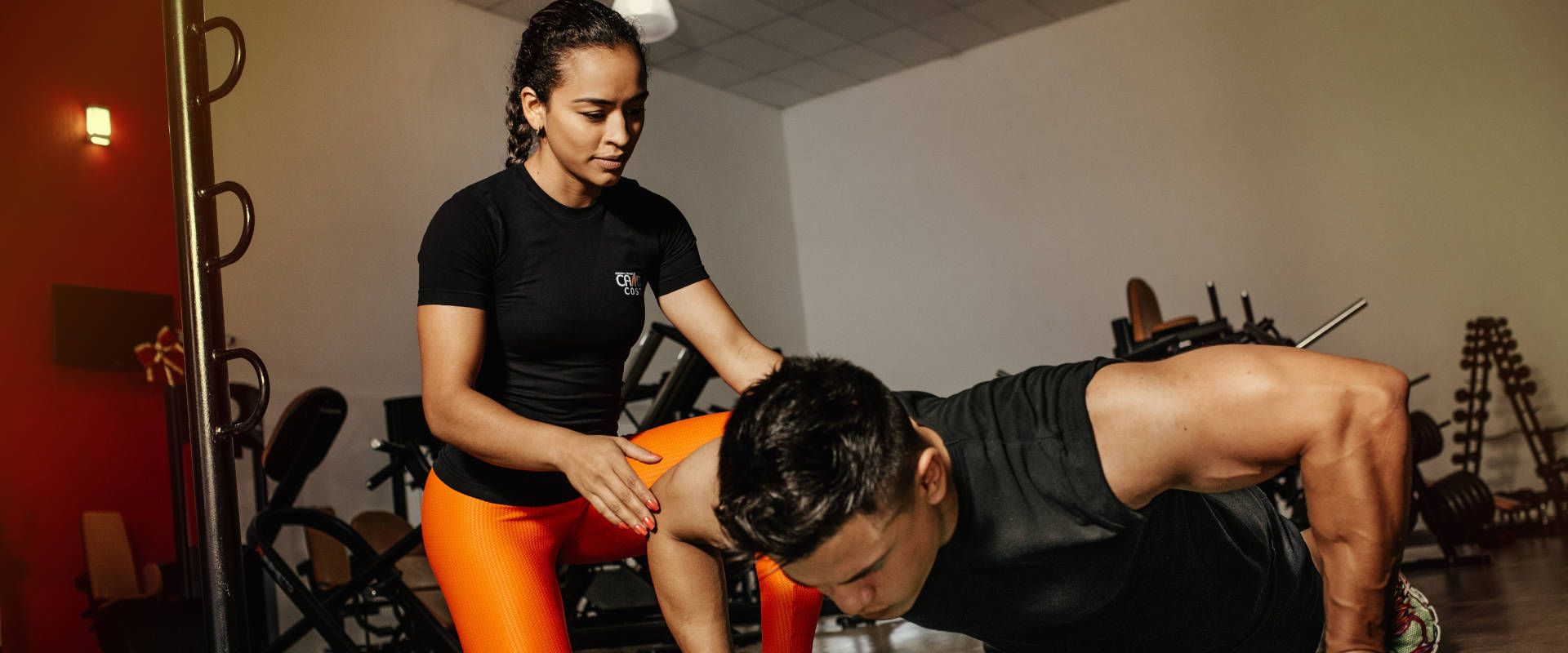
A push-up trains the chest, shoulders, triceps, and core. A row trains the upper back, rear shoulders, biceps, and grip. Together, they create balance across the upper body.
You can perform push-ups on the floor, on handles, or with your hands elevated. For rows, use dumbbells, resistance bands, cables, or a suspension trainer. Move between both exercises with steady control. This pairing helps improve posture, shoulder stability, and upper-body endurance. It also keeps training efficient, which makes it a strong option for busy days.
Lunge-To-Rotation Movements
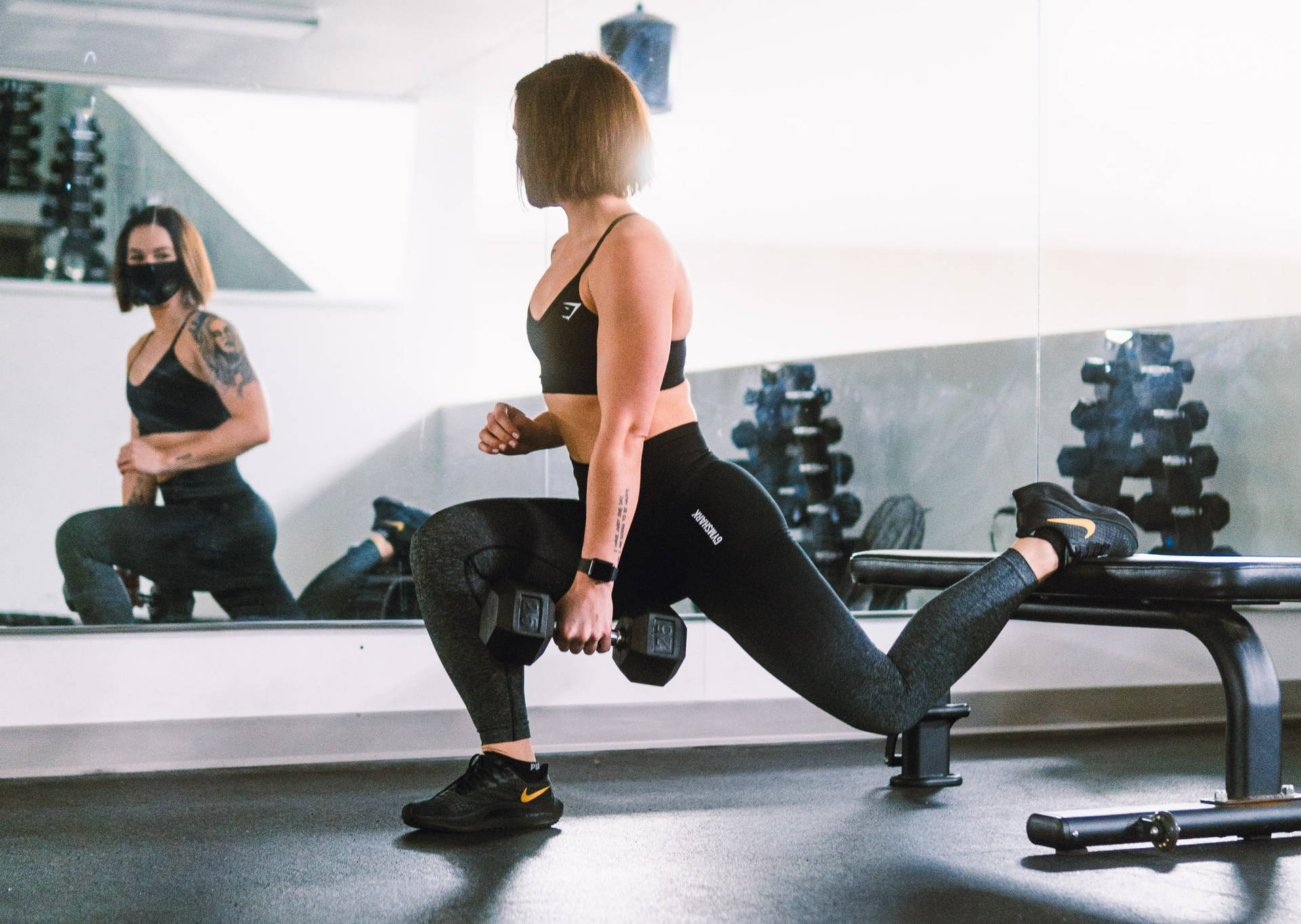
Lunges train single-leg strength, balance, and hip control. Adding rotation brings the core into the movement and teaches your body to stabilize while turning.
Hold a medicine ball, dumbbell, or kettlebell at chest height. Step into a lunge, rotate toward the front leg, return to center, and stand back up. Move slowly enough to stay balanced. This exercise supports athletic movement because real life rarely happens in a straight line. You twist, reach, step, and adjust constantly.
Conclusion
Full-body strength comes from movements that connect the upper body, lower body, and core. Squat-to-press training, deadlift and carry work, sled pushes and pulls, push-up and row supersets, and lunge-to-rotation movements all build strength you can use beyond the gym. Train with control, increase resistance gradually, and focus on strong movement before heavier weight.
You May Also Like: