






Building stamina sounds simple until your body starts arguing back. One week you feel motivated, the next you feel drained, sore, and tempted to skip everything. That is usually not a sign that you lack discipline. It is a sign that your training needs a smarter rhythm.
The goal is not to exhaust yourself to improve fitness, but to build endurance in a way your body can actually sustain. A better approach helps build your stamina without burning out.
Start Slower Than You Think You Need To
Start with a pace that feels almost too easy, then stay there long enough for your body to adapt. If you run, cycle, swim, or walk, you should be able to breathe steadily and speak in short sentences without gasping. That level of effort helps your heart, lungs, and muscles learn to work together without pushing you into early fatigue.
Keep the first few sessions short enough that you finish feeling like you could have done a little more. A steady 20-minute walk, ride, or swim can build a stronger base than one punishing workout that makes you sore for days. Once that feels comfortable, add a small amount of time.

Choose Cardio That Supports Your Body
Cardio builds endurance, but not every cardio workout needs to pound your knees or drain your nervous system. When the impact is too high or the intensity stays too aggressive, your body may spend more energy recovering from the stress than improving from the workout.
One of the top reasons low-impact cardio is great for your body is that it’s gentle on the joints. This means you can train consistently without placing as much stress on your knees, hips, and ankles.
Low-impact training works especially well for beginners, people returning after time off, or anyone who already lifts weights and wants to add cardio without extra soreness.
Use Small Progress Markers
Stamina does not always show up as a dramatic breakthrough. Pay attention to those changes because they show that your body is adapting, even before your workouts look impressive on paper.
Helpful progress markers include the following:
- How long can you move before needing a break
- How quickly your breathing returns to normal
- How steady your pace feels during the final minutes
- How does your energy feel the next day
- How often do you complete your planned sessions
Balance Cardio With Strength
Another tip for building stamina without burning out is to add strength training to your routine. When your legs, core, back, and hips support movement well, cardio feels smoother. Focus on controlled movements and good form. Squats, lunges, hip hinges, push-ups, rows, and planks all help your body handle longer workouts.
Recover Before You Feel Forced To
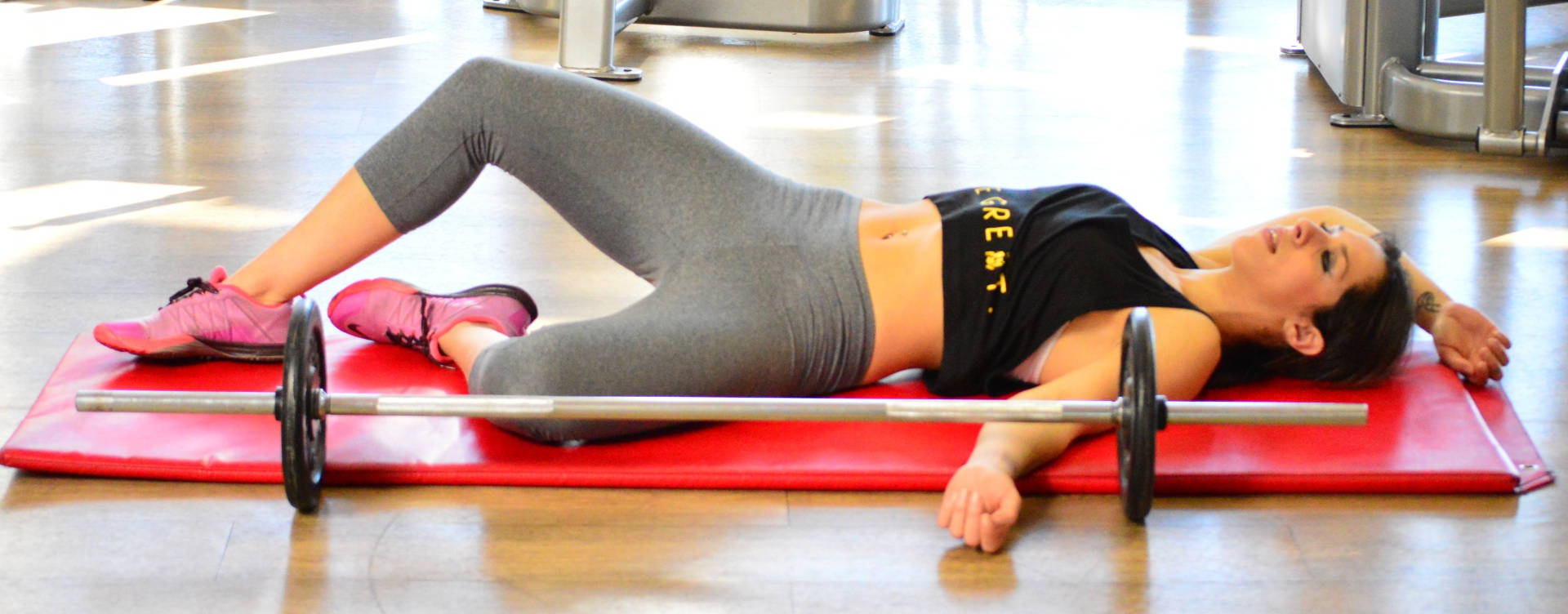
Burnout often starts when people ignore early warning signs. Poor sleep, heavy legs, irritability, low motivation, and constant soreness all show that your body needs a lighter day. Recovery does not mean losing progress. It gives your body the chance to adapt.
Plan easier days into your routine. Stretch after workouts, drink enough water, eat enough protein, and take rest seriously. You can also rotate harder days with gentler ones. A steady walk, mobility session, or relaxed bike ride can keep the habit alive while giving your body a break.
Stamina grows when training feels repetitive. Push yourself, but leave enough energy to come back again. That mindset keeps fitness sustainable, enjoyable, and far more effective over time.
You May Also Like: