







Many people use the terms “steam room” and “sauna” interchangeably, but they offer very different experiences. Both are popular for relaxation, recovery, and general wellness, especially among people who train regularly or prioritize stress management. Understanding the difference between steam rooms and saunas helps you choose the option that best aligns with your fitness routine, comfort level, and health goals.
At a glance, both environments promote sweating and heat exposure, but the way heat enters your body changes how each feels and functions. Those differences can affect breathing, muscle recovery, and how long you can stay inside.
Heat and Humidity: How Each One Works
The most important distinction between a steam room and a sauna is the humidity. Steam rooms use moist heat and are kept at lower temperatures, usually around 110–120°F (43–49°C), with humidity close to 100%. The warm air is thick with moisture, which limits sweat evaporation and creates an intense feeling of warmth even at lower temperatures.
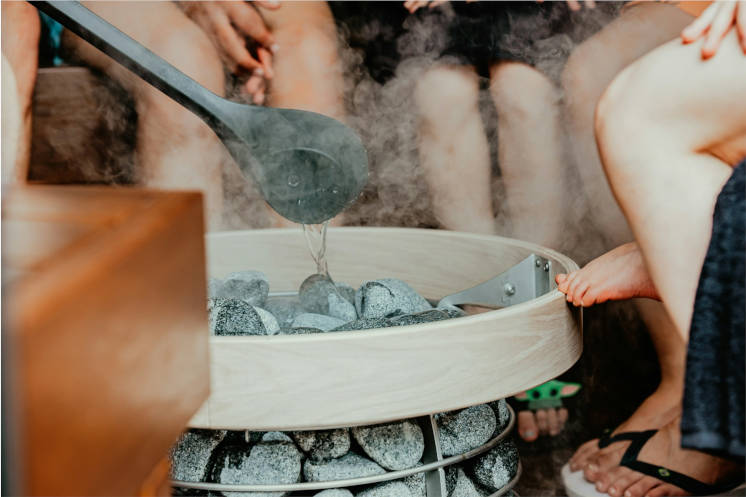
Saunas rely on dry heat and operate at much higher temperatures, typically, between 160–195°F (71–90°C). Traditional saunas heat the air using hot stones, while infrared saunas warm the body directly. Because humidity is low, sweat evaporates more easily, which can feel more comfortable for longer sessions.

Benefits of Steam Rooms
Steam rooms are best for their effects on breathing and skin health. The warm, humid air can help open airways and loosen mucus, which may feel soothing after intense exercise or during dry seasons. Moist heat also temporarily hydrates the skin and can leave it feeling softer after a session.
Because sweat doesn’t evaporate efficiently in high humidity, the body heats up quickly. For this reason, steam room sessions are usually shorter, and hydration becomes especially important before and after use.
Benefits of Saunas
Saunas are commonly associated with muscle recovery and cardiovascular support. Dry heat penetrates deeply into muscles, helping them relax after strength training or high-impact workouts. Increased circulation and elevated heart rate during sauna use can mimic the effects of light cardiovascular activity, which is why many athletes use saunas as part of their recovery routine. Saunas also tend to feel less overwhelming for people who dislike humid environments, making them a popular choice for regular, repeated use.

Which One Is Better for Fitness and Recovery?
When comparing steam rooms and saunas, the better option depends on what you’re trying to achieve. People focused on post-workout recovery, muscle relaxation, or long-term wellness often prefer saunas for their dry heat and deeper warmth. Those who value respiratory comfort or want a gentler heat experience may lean toward steam rooms instead.
Many fitness-focused individuals alternate between both, using saunas after intense workouts and steam rooms on lighter recovery days.
Safety, Timing, and At-Home Options
Both steam rooms and saunas place stress on the body, so moderation is essential. Sessions should generally last 10-20 minutes, with water consumed before and after to prevent dehydration. Anyone with heart conditions, low blood pressure, or other medical concerns should consult a healthcare professional before regular use.
Final Thoughts
Steam rooms and saunas both offer real benefits when used responsibly, but they serve slightly different purposes. By understanding how heat, humidity, and recovery goals intersect, you can confidently choose the option that best fits your lifestyle and fitness routine.
You May Also Like: