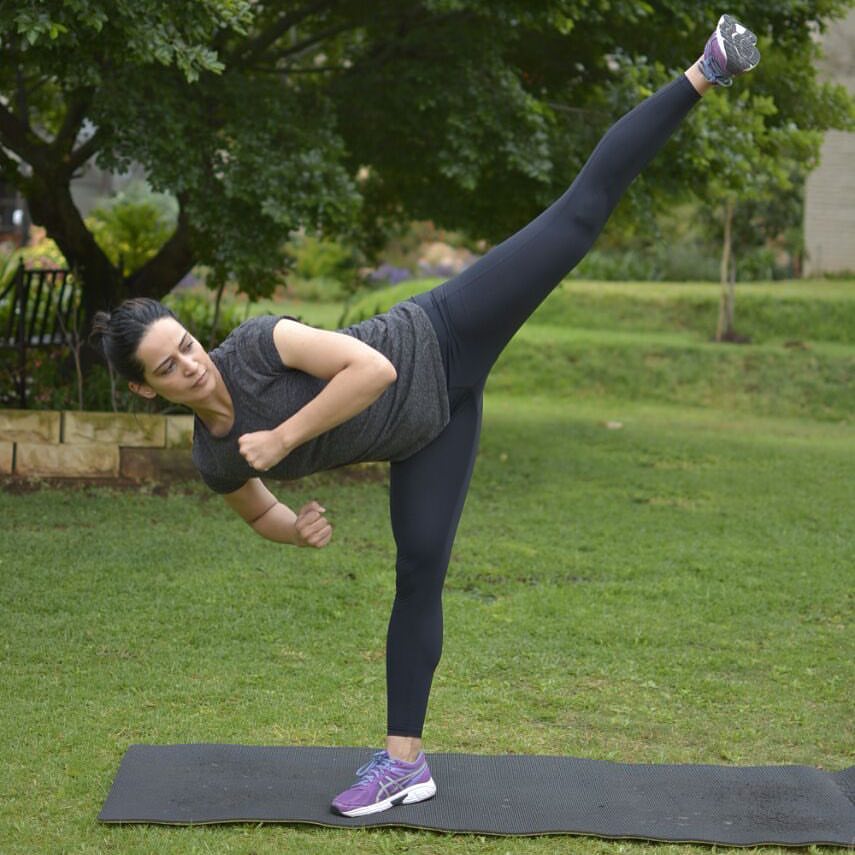







Watching your fitness improve can be incredibly satisfying, especially when you start lifting heavier weights or notice that activities that once left you breathless now feel manageable. Those improvements provide encouraging evidence that your training is working, but they cannot tell you everything about what is happening inside your body.
Even with consistent exercise and noticeable physical progress, your workout results don’t reveal everything about your health. Physical performance reflects certain aspects of fitness, while other indicators of well-being require a different kind of attention. Someone can make impressive progress with exercise and still have health concerns that their workouts never bring to light.
Fitness Progress Measures Specific Abilities
When you follow a consistent exercise routine, your body adapts to the demands you place on it. Resistance training can increase muscular strength, while cardiovascular exercise improves your ability to sustain physical activity. Tracking these changes gives you useful feedback about whether your workouts are producing the intended results.
Although these improvements demonstrate that your training is working, each measurement reflects a relatively specific physical ability. A heavier squat demonstrates increased strength in that movement, while a faster running pace suggests improved performance under certain conditions.
Neither achievement provides a complete assessment of your health. Even when several fitness measurements improve together, they primarily reflect the physical abilities your training develops.

Physical Appearance Can Create a Misleading Impression
When someone develops noticeable muscle definition or loses excess body fat, those visible changes can provide encouraging evidence that their fitness efforts are paying off. Improving body composition can support health, although appearance alone cannot establish whether someone has healthy cholesterol levels or other favorable medical indicators.
The physical changes that attract the most attention may reveal relatively little about what is happening internally.
Despite common assumptions about what a healthy body should look like, someone who carries more body fat or lacks visible muscle definition may have stronger cardiovascular fitness than their appearance suggests. Body shape cannot reliably reveal exercise capacity, and judging someone’s health by how athletic they look can overlook meaningful differences between individuals.
Cardiovascular Health Extends Beyond Endurance
Completing a demanding cardio workout may suggest that your heart and lungs have adapted well to exercise. As your conditioning improves, you might notice that climbing stairs feels easier or that you recover your breath more quickly after exertion. These improvements matter because cardiorespiratory fitness contributes to long-term health.
Still, exercise performance does not reveal every aspect of cardiovascular health. Blood pressure can remain elevated without obvious symptoms, including in people who exercise regularly. Cholesterol abnormalities may similarly go unnoticed because they generally do not interfere with an ordinary workout.
Cardiovascular fitness and cardiovascular risk measure different aspects of heart health, even though they share a connection. Regular exercise can improve several risk factors, yet individual responses vary. Someone who runs regularly may still benefit from checking their blood pressure and discussing appropriate cardiovascular screening with a healthcare professional.

Blood Tests Reveal Information Workouts Cannot
Although exercise can positively influence metabolic health, the body does not provide a straightforward performance signal for every internal process. Blood tests can offer information about cholesterol and blood sugar regulation that exercise records cannot capture. Healthcare professionals interpret these measurements alongside medical history and other relevant factors.
For example, the relationship between blood lipids and inflammation can provide additional context when evaluating cardiovascular risk. Certain lipid measurements and inflammatory markers may contribute to a broader clinical assessment, although no single result establishes someone’s health.
A strong performance in the gym cannot determine whether these measurements fall within an appropriate range.
Testing should reflect individual circumstances, however, because more measurements do not automatically lead to better healthcare decisions. Age, family history, existing medical conditions, and other risk factors can influence which screenings make sense. Discussing those considerations with a qualified professional provides a more useful starting point than ordering tests simply because they are available.
Feeling Energetic Does Not Rule Out Health Concerns
People sometimes use their daily energy levels as an informal measure of health, particularly when they maintain demanding exercise schedules. Feeling alert throughout the day and completing workouts without unusual difficulty can certainly be reassuring. However, some health conditions develop without producing noticeable symptoms during their earlier stages.
High blood pressure provides a familiar example because many people experience no clear warning signs. Certain cholesterol abnormalities behave similarly, making routine screening valuable even when someone feels physically capable. Waiting until exercise becomes difficult could allow an otherwise detectable concern to remain unnoticed.

Healthy Habits Matter Outside the Gym
A well-designed workout routine can occupy an important place in a healthy lifestyle, although it represents only part of a person’s weekly behavior. Someone might exercise consistently while spending most remaining hours sitting at a desk. Another person may train intensely but regularly sacrifice sleep to accommodate an increasingly demanding schedule.
These habits can influence health independently of workout performance. Adequate sleep supports normal physiological functioning, while regular movement throughout the day reduces prolonged sedentary periods. Nutrition matters beyond its contribution to muscle development or exercise energy, particularly when considering cardiovascular and metabolic health.
Evaluating your lifestyle therefore requires looking at what happens between workouts. A training program may be producing excellent results while other habits still deserve attention. Recognizing that possibility allows you to maintain the activities you enjoy without assuming they compensate for every other aspect of your routine.
Building a More Complete Picture of Your Health
Once you recognize the limitations of workout measurements, you can begin evaluating progress through a broader perspective. Continue tracking the fitness goals that matter to you, whether that involves strength improvements or greater endurance. Those achievements remain valuable because they reflect genuine adaptations to regular physical activity.
Alongside your training records, consider the health information available through routine medical care. Blood pressure measurements, recommended screenings, and conversations about personal risk factors can reveal concerns that would otherwise remain outside your awareness. The appropriate approach depends on your age and medical history, so individual guidance matters more than following an arbitrary testing schedule.
You can also pay attention to how your fitness supports everyday life. Being able to participate comfortably in activities you enjoy provides a practical perspective on physical capability, even though it cannot replace clinical measurements. Combining these observations with appropriate preventive care gives you a more balanced understanding of your health.

Let Fitness Support Your Health Beyond the Gym
Reaching a new personal best deserves recognition because consistent exercise requires commitment, and physical improvements can make everyday activities more enjoyable. Those achievements reflect genuine progress, even when they cannot measure every aspect of your well-being.
Your training results can tell you how far you’ve come physically, but what they don’t reveal about your health deserves attention, too.
Combining regular exercise with healthy daily habits and appropriate medical care gives you a more complete picture of your well-being without taking away from the progress you’ve worked hard to achieve.
You May Also Like: