






A full day of rock climbing can demand much more from your body than the time spent working through routes. Even before the first climb, you may need to hike to the site while carrying gear, and the effort continues as repeated attempts gradually draw on the energy you brought with you.
Knowing how to prepare your body for a day of rock climbing means training for the demands that build throughout the outing, not simply developing enough strength to pull yourself up the wall.
With preparation that reflects how a climbing day actually unfolds, you can arrive ready to move efficiently and maintain that ability as the hours pass.
Build a Foundation for Efficient Movement
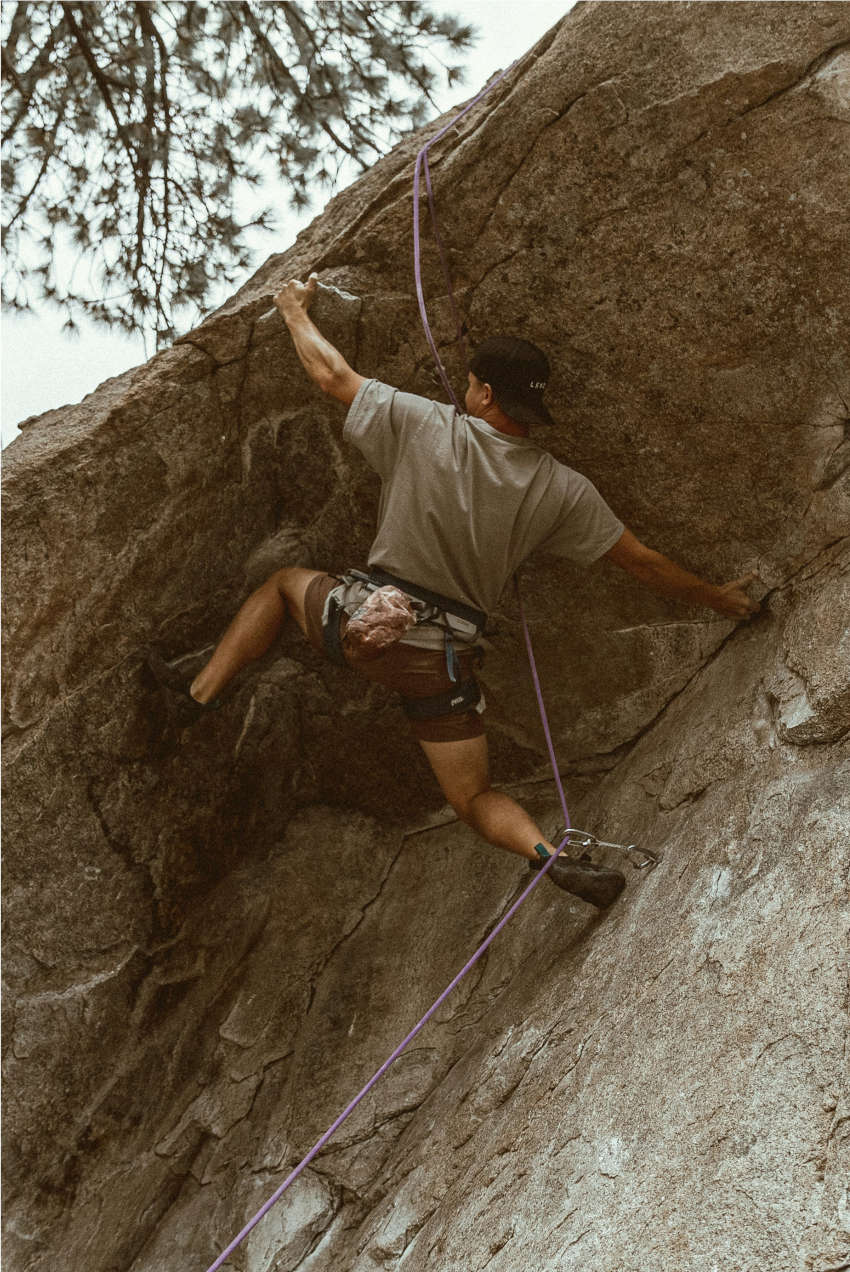
Climbers who depend heavily on their arms can exhaust themselves surprisingly quickly. Although your back and shoulders contribute to pulling movements, your legs can generate much of the force needed to move upward. Developing lower-body strength allows you to push through footholds without asking your arms to support more of your weight than necessary.
Exercises such as squats or step-ups can build strength that transfers well to climbing. Pulling exercises deserve a place in your routine too, particularly when they teach you to control your body through a complete movement. A stronger foundation gives you more freedom to distribute the workload across your body once you reach the wall.
Prepare Your Grip for Repeated Effort
After developing general strength, consider one of climbing’s more specific physical demands: maintaining contact with the rock. Your forearms may fatigue long before your larger muscle groups, particularly when you spend too much time gripping holds harder than necessary.
General pulling exercises can begin developing grip capacity without turning every workout into an intense finger-training session. Controlled hangs may become appropriate as you gain experience, but beginners should give their hands enough time to adapt to climbing.
Tendons and other connective tissues respond differently from muscles, which makes gradual progression particularly important when increasing grip demands.
Technique matters here as much as strength, so learning to relax your grip when a secure position allows it conserves energy that you will need later in the session.
Create More Options With Better Mobility
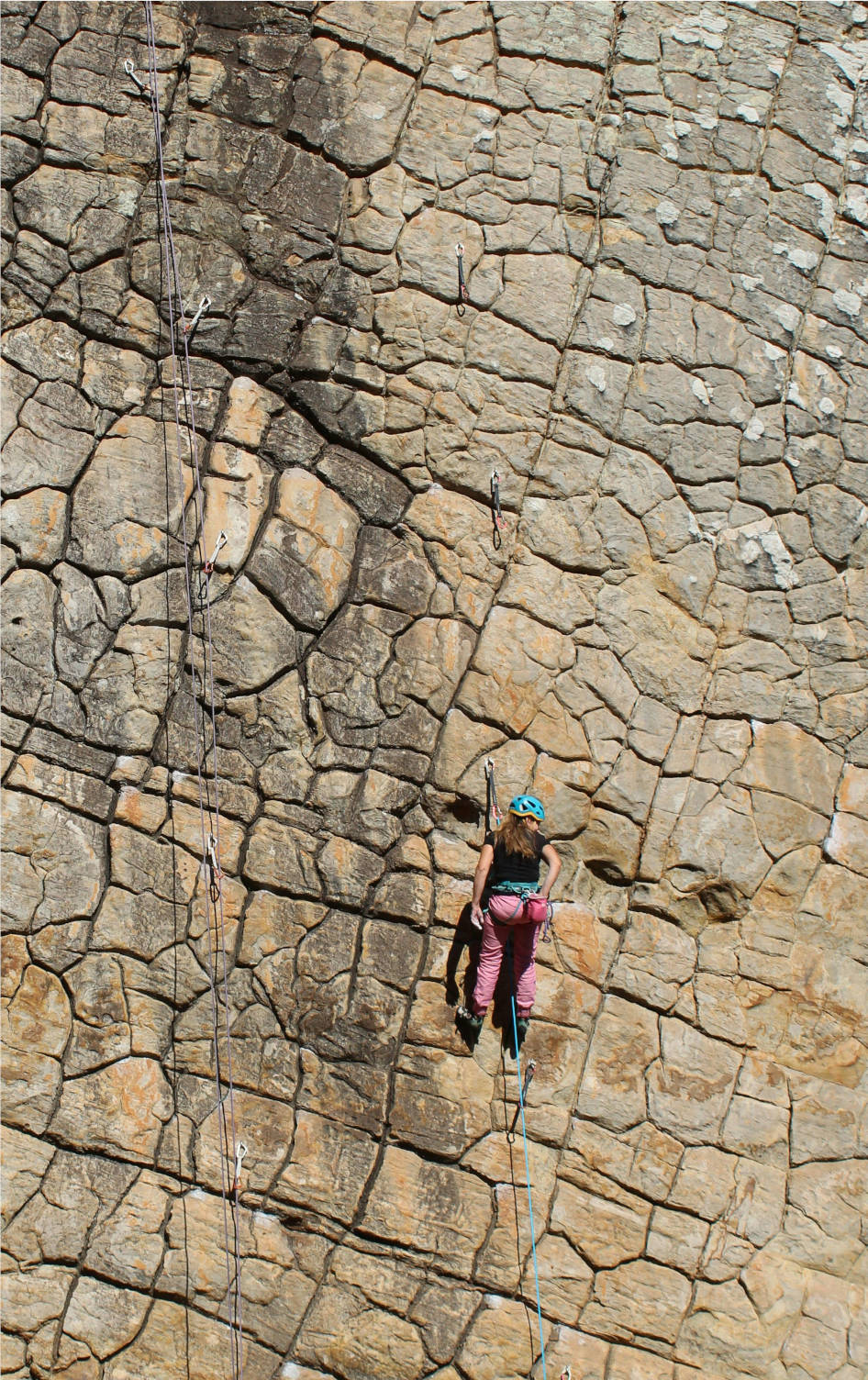
Strength and grip determine what your body can support, while mobility influences the positions you can comfortably reach. Limited movement through the hips can make high footholds harder to use, leaving you more dependent on upper-body effort. Shoulder mobility can similarly affect your ability to reach while maintaining control.
As those ranges become more accessible, you may find more ways to position your body efficiently on the wall. Better positioning can reduce the amount of muscular effort required to solve certain movements, connecting mobility directly to the energy you have available for the rest of the day.
Condition Yourself for the Entire Outing
Once you have developed the physical qualities needed on the wall, expand your preparation to account for everything surrounding the climb. Outdoor climbing areas may require an approach on foot, and the distance can vary considerably between locations. Reaching the wall already tired changes how much energy you have available for climbing.
Hiking provides useful conditioning because it prepares you for sustained movement across changing terrain. When regular trail access is impractical, incline walking or similar cardiovascular exercise can build the aerobic base needed for longer approaches.

Account for the Gear You Have To Carry
Conditioning an approach becomes more useful when your training reflects the fact that you may not arrive empty-handed. A backpack changes the physical demand of a hike by adding weight while influencing how comfortably you move across the terrain.
Before an outing, consider the distance to the climbing area and what you genuinely need for that particular day.
Advice about packing a backpack for a climbing day trip can provide useful context for organizing the load without carrying unnecessary weight. Your goal is to arrive with what the outing requires while conserving as much climbing energy as practical.
Warm Up for the Demands Ahead
Reaching the climbing area marks a shift from general physical preparation to managing your body during the session itself. After driving or hiking to the location, moving directly onto a difficult route can ask your muscles to produce demanding efforts before they have adjusted to climbing.
Begin with easy movement that gradually raises your level of effort and move through comfortable ranges before using easier climbing to prepare for the positions you will encounter on harder routes. Treat your first climb as part of that transition. Starting below your limit to assess how your body feels that day while giving your grip time to adapt to the rock. You can increase the difficulty once your movement feels comfortable and controlled.
Manage Your Energy as the Day Continues
A successful warm-up can leave you feeling ready to climb hard, but spending too much energy early may shorten the productive part of your session. Outdoor climbing rewards patience because every difficult attempt contributes to the accumulated workload.
Pay attention to how your technique changes as fatigue develops. If positions that felt controlled earlier begin requiring noticeably more effort, additional rest may serve you better than immediately attempting another route. Rest is part of the climbing day, not time lost between productive efforts. Long outings require enough food and hydration to support continued activity, so use natural breaks between climbs to address those needs before hunger or thirst begins distracting you from movement and decision-making.
Let Recovery Complete the Preparation
What you do after climbing affects how prepared you will feel for your next session. A demanding day can leave your forearms or shoulders needing additional recovery, particularly if you climb harder or longer than your body normally handles.
Consider the intensity of the outing before returning to demanding pulling or grip workouts. Easy movement may feel appropriate after a moderate session, while harder climbing can justify additional rest before you load the same areas again. Giving your body room to recover allows training and climbing to complement each other instead of constantly competing for the same physical resources.
Prepare for More Than the Wall
A climbing day brings together physical demands that develop at different stages of the outing. General strength creates a foundation for efficient movement, while climbing-specific conditioning prepares you to sustain effort once you reach the rock. From there, smart pacing determines how effectively you use the capacity you brought with you.
Knowing how to prepare your body for a day of rock climbing means training for that complete experience. When your preparation accounts for what happens before your first climb and continues through the final effort of the day, you can devote more attention to moving well on the rock and enjoying the challenge in front of you.
You May Also Like: