







Indian cooking is loved for its color, aroma, and depth of flavor. Behind every great curry, dal, or rice dish is a careful blend of ingredients that not only taste delicious but can also support general wellbeing. Many traditional Indian ingredients have been used for generations because they bring both flavor and natural benefits to everyday meals. Read on to find out about these health-boosting ingredients that are in your favorite dishes.

Turmeric
Turmeric is one of the most important spices in Indian cooking. Its bright yellow color comes from curcumin, a compound often linked with anti-inflammatory and antioxidant properties. It is commonly used in curries, lentils, rice dishes, and marinades.
Turmeric adds warmth and earthiness to food, while also supporting overall wellness. It is often paired with black pepper, which can help the body absorb curcumin more effectively.
Ginger and Garlic
Ginger and garlic are often cooked together at the start of Indian recipes to create a rich, aromatic base. Ginger brings gentle heat and freshness, while garlic adds depth and savory flavor.
Ginger is widely known for supporting digestion and may help ease nausea. Garlic is often associated with immune support and heart health. Together, they help give Indian food its bold, comforting taste.
Lentils
Lentils, also known as dals, are a staple in Indian households. They are rich in plant-based protein, fiber, iron, and complex carbohydrates, making them filling and nutritious.
Popular dishes such as dal tadka and chana dal show how simple ingredients can become deeply satisfying meals. Whether cooking at home or choosing a delicious Indian takeaway Bristol to order in, lentil-based dishes can be a wholesome and comforting option.
Cumin and Coriander
Cumin and coriander are two spices that appear in countless Indian dishes. Cumin has a warm, nutty taste and is often used to support digestion. Coriander has a lighter, citrusy flavor and contains antioxidants.
When used together, these spices create balance. They help bring out the flavor of vegetables, beans, meats, and sauces without overpowering the dish.
Yogurt
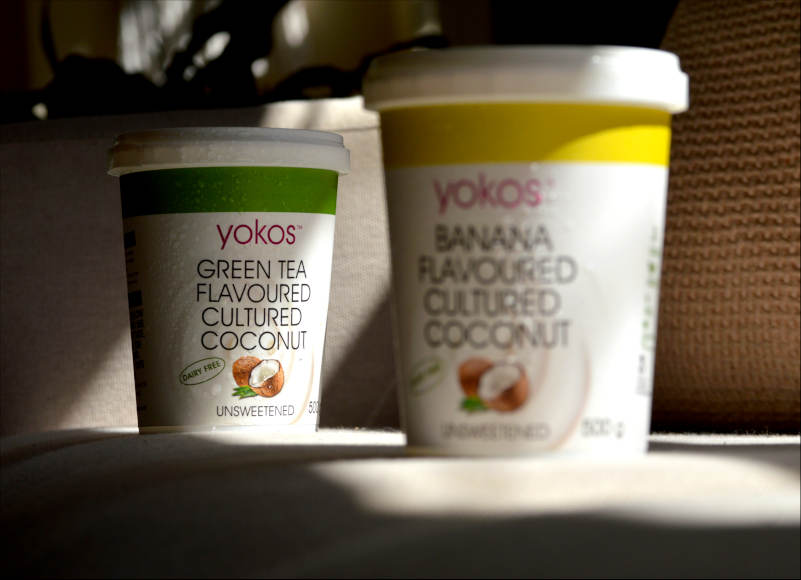
Yogurt is often used in Indian marinades, raitas, sauces, and drinks such as lassi. It can cool spicy dishes, add creaminess, and help tenderize meat.
As a fermented food, yogurt may support gut health by providing beneficial bacteria. It also contains protein and calcium, making it a useful ingredient in both light and hearty meals.
Fresh Vegetables
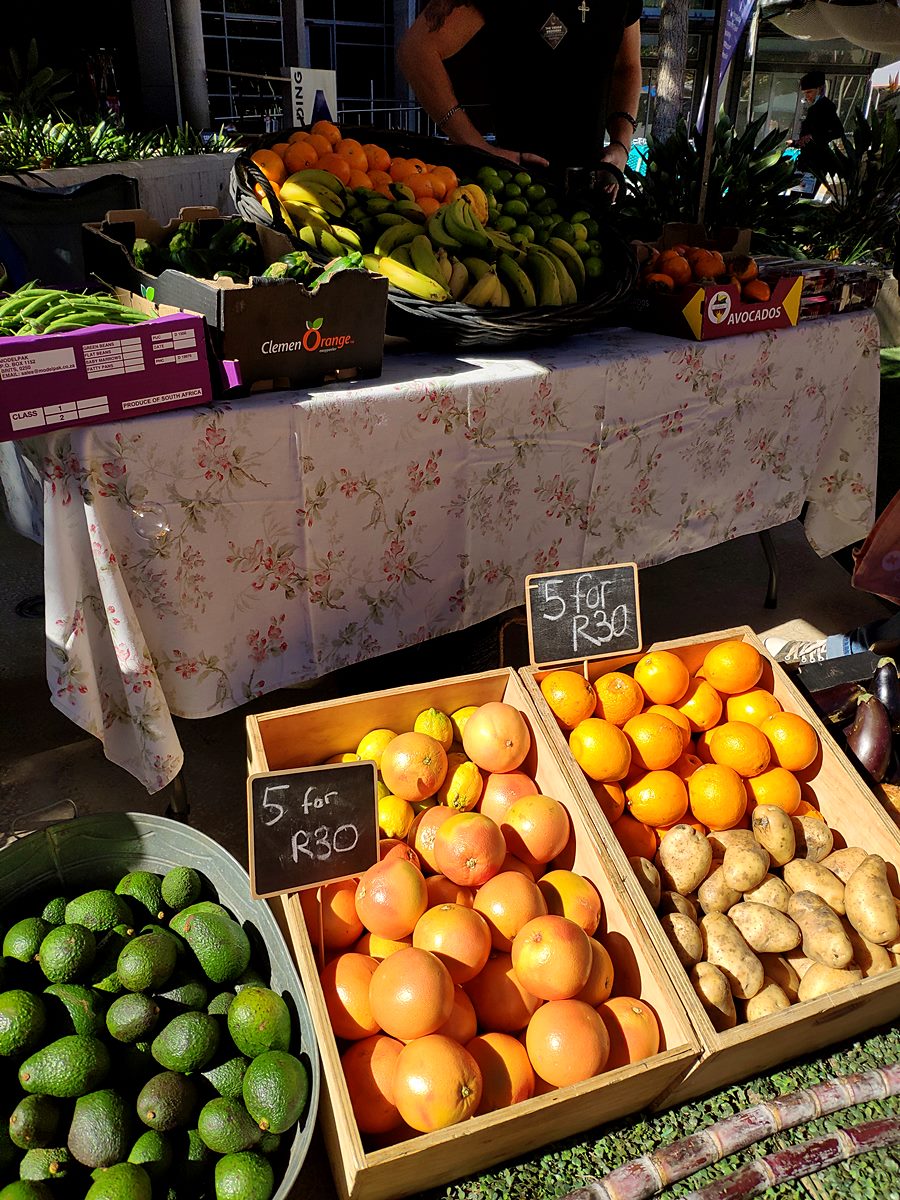
Indian cuisine makes excellent use of vegetables such as spinach, cauliflower, peas, tomatoes, okra, and eggplant. These ingredients add vitamins, minerals, fiber, and color to the plate.
Dishes like saag, aloo gobi, and bhindi masala prove that vegetables can be exciting, flavorful, and satisfying when cooked with the right spices.
Rounding It All Up
The essential ingredients in Indian cooking do more than create memorable meals. Turmeric, ginger, garlic, lentils, cumin, coriander, yogurt, and vegetables all contribute flavor while offering valuable nutritional benefits. This balance of taste and nourishment is one of the reasons why Indian cuisine continues to be enjoyed around the world.
You May Also Like: